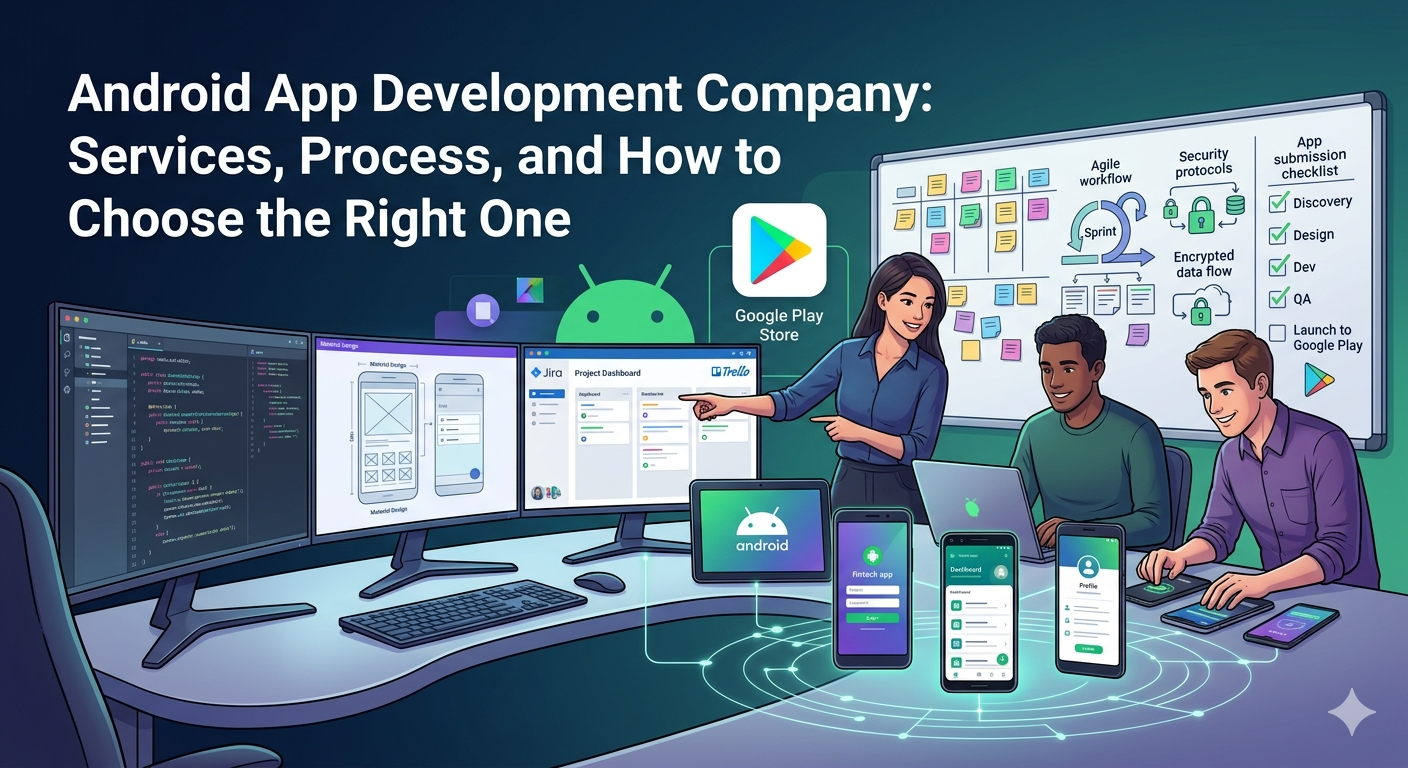
An android app development company is a specialized firm that handles the design, coding, testing, and maintenance of applications built for the Android operating system. To choose the right partner, you must evaluate their technical proficiency in languages like Kotlin and Java, their experience with the Android SDK, and their ability to follow a structured Agile development lifecycle. A high-quality partner doesn't just write code; they ensure your app is scalable, secure, and fully compliant with the latest Google Play Store guidelines.
Understanding the Role of an Android App Development Company
Building for Android is different than building for any other platform. The ecosystem is fragmented, meaning your app needs to run smoothly on thousands of different devices with various screen sizes, hardware specs, and OS versions. A professional android app development company understands these nuances. They help you navigate the complexities of the platform to create a product that feels native and performs reliably.
When you hire a dedicated team, you are gaining access to a group of experts including UI/UX designers, backend developers, QA engineers, and project managers. Their primary goal is to take your initial concept and turn it into a functional, market-ready product. Whether you are a startup looking for an MVP or an enterprise needing a complex system integration, the right company provides the technical backbone for your mobile strategy.
Technical Services Offered by an Android App Development Company
A full-service agency provides more than just a programmer. They offer a suite of services designed to cover every stage of the app lifecycle. Most companies focus on the following core areas:
Custom Native App Development
Native development involves writing code specifically for the Android platform using Kotlin or Java. This approach provides the best performance, the most fluid animations, and direct access to device hardware like the camera, GPS, and sensors.
Cross-Platform Development
Many businesses want to hit both Android and iOS simultaneously. Companies often use frameworks like Flutter or React Native to build apps that share a single codebase while maintaining a native look and feel. This can significantly reduce development time and costs.
UI/UX Design
Android has its own design language called Material Design. A skilled design team ensures your app follows these principles so users feel at home. They focus on wireframing, prototyping, and user testing to make sure the interface is intuitive.
App Modernization and Maintenance
If you have an old app running on outdated libraries, a development partner can help you refactor the code. They also provide ongoing support to fix bugs, update security patches, and ensure compatibility with new Android versions released by Google.
The Android Development Process
The workflow of an android app development company usually follows a predictable, structured path. This transparency is important because it keeps you informed and ensures the project stays on track.
1. Discovery and Strategy
Everything starts with a conversation. The team learns about your business goals, your target audience, and the problem your app is solving. They create a roadmap and a technical specification document that outlines every feature.
2. UI/UX Design
Designers create low-fidelity wireframes to map out the user journey. Once the flow is approved, they move to high-fidelity designs. You will see exactly how the buttons, colors, and layouts will look before a single line of code is written.
3. Technical Architecture and Development
This is where the heavy lifting happens. Developers set up the backend environment, integrate APIs, and build the frontend. They typically work in "sprints," which are two-week periods focused on specific features. This allows you to see progress regularly and provide feedback.
4. Quality Assurance (QA) Testing
Testing is non-negotiable in Android development. Because of device fragmentation, the QA team must test the app on various physical devices and emulators. They check for functional bugs, performance bottlenecks, and security vulnerabilities.
5. Deployment and Post-Launch Support
Once the app is polished, the company helps you submit it to the Google Play Store. This includes preparing the store listing, assets, and descriptions. After launch, they monitor the app for any initial hiccups and help you plan future updates.
Choosing Your Android App Development Company
With thousands of agencies claiming to be the best, how do you actually pick one? You need to look past the marketing and focus on the technical reality.
Check Their Technical Stack
A good team should be experts in modern Android tools. Ask them about their experience with Jetpack Compose for UI, Room for local databases, and Retrofit for networking. If they are still using outdated practices, it might be a sign that they aren't keeping up with the industry.
Review the Portfolio
Don't just look at screenshots. Download apps they have built. Check the Play Store reviews. Does the app crash? Is the UI clunky? Seeing their past work in action is the best way to judge their quality.
Communication and Transparency
Development is a long-term relationship. You want a partner who communicates clearly and doesn't hide behind technical jargon. They should use project management tools like Jira or Trello to give you a clear view of the project's status.
Security Standards
Your app will likely handle user data. Ask the company how they handle encryption, secure API communication, and data storage. They should have a clear plan for protecting your users from potential breaches.
The Cost of Professional Development
It is tempting to go with the cheapest quote, but in software, you often get what you pay for. A low-cost provider might skip essential testing or use "spaghetti code" that is impossible to maintain later.
The cost of hiring an android app development company depends on the complexity of the app, the number of integrations, and the seniority of the developers. A simple utility app will cost significantly less than a social media platform with real-time chat and video processing. Think of this as an investment in your business infrastructure rather than a one-time expense.
Why Technical Expertise Matters
Building an Android app isn't just about making things move on a screen. It involves managing background tasks, optimizing battery consumption, and ensuring the app stays responsive under heavy load.
Expert developers know how to use WorkManager for background jobs and how to optimize memory usage to prevent the OS from killing the app. They understand the lifecycle of an Android Activity and Fragment, which prevents memory leaks and crashes. This level of expertise is what separates a professional agency from a hobbyist.
Conclusion
Finding the right android app development company is a major milestone for your project. By focusing on their technical stack, understanding their development process, and prioritizing clear communication, you can find a partner that helps your business grow. Remember that a great app is built on a foundation of clean code, user-centric design, and rigorous testing. Take your time to vet potential partners, and don't be afraid to ask deep technical questions.
FAQ
What is the difference between native and cross-platform Android development?
Native development uses Kotlin or Java specifically for Android, offering peak performance. Cross-platform uses frameworks like Flutter to create one codebase for both Android and iOS.
How long does it take to build a custom Android app?
A typical project takes between 3 to 9 months, depending on complexity. A simple MVP might take 12 weeks, while a complex enterprise app can take a year or more.
Does an android app development company handle the Play Store submission?
Yes, most professional agencies manage the entire submission process, ensuring your app meets all Google Play Store policies and technical requirements.
Who owns the source code once the project is finished?
In a standard professional agreement, you should own 100% of the source code and intellectual property once the final payment is made. Always verify this in your contract.
How do I maintain my app after it is launched?
Most companies offer maintenance packages. These include regular updates for new Android OS versions, security patches, bug fixes, and performance optimizations based on user feedback.



.jpg)